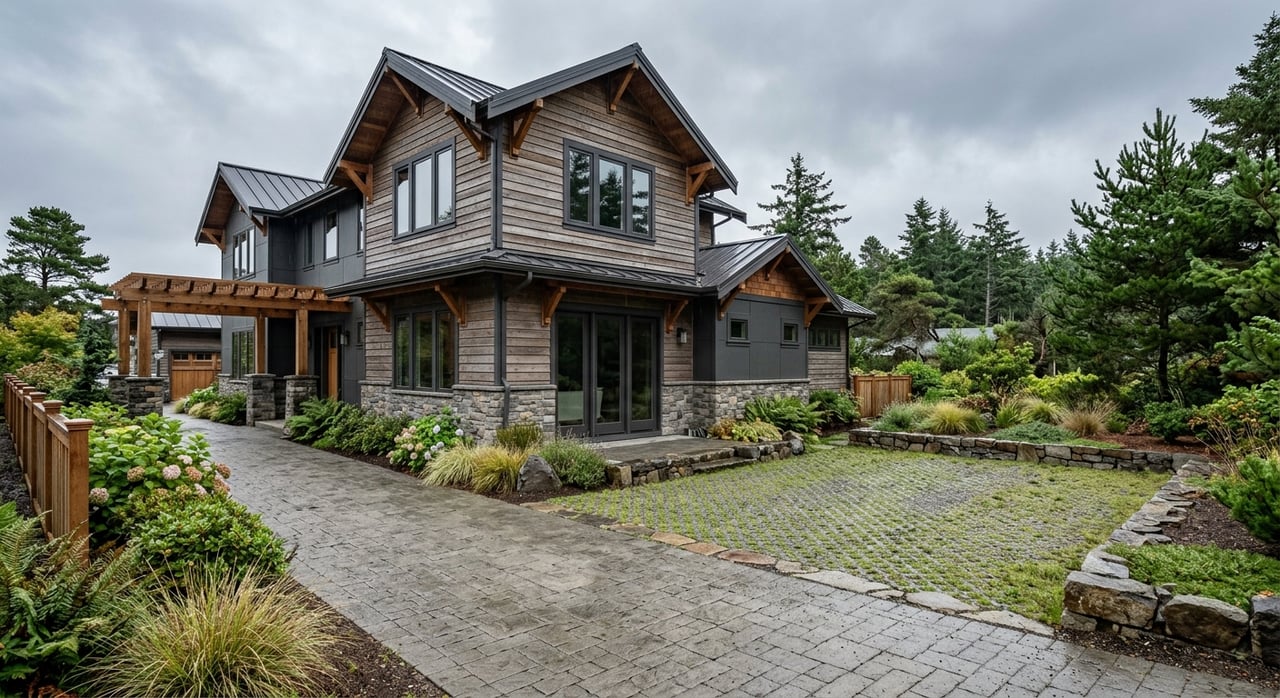
If you are shopping for a home in Netarts, one of the biggest mistakes you can make is treating every water-oriented property like it belongs in the same bucket. A true bayfront home, a bay-view home on higher ground, and a more inland property can offer very different day-to-day experiences, costs, and due diligence needs. This guide will help you compare those options more clearly, ask better questions, and move forward with confidence. Let’s dive in.
Why Netarts Home Types Matter
In Netarts, location labels are not just marketing language. Tillamook County's assessment area for Netarts and Oceanside separates parcels into categories like Bay View, Bay Front, Ocean View, Ocean Front, Standard, Tract, and Unbuildable.
That matters because these categories show that the county treats these as distinct location segments. For buyers, that is a practical starting point when comparing homes, lots, and likely tradeoffs.
Bayfront vs. Bay View vs. Inland
A bayfront home puts you closest to the water. That can mean immediate access, a more immersive setting, and a front-row relationship with the bay itself.
A bay-view home often gives you a different balance. You may still get the water outlook you want, but with more elevation and some separation from the shoreline.
A more inland home usually gives up direct water access and may not offer the same view impact. In return, it may offer a different risk profile and sometimes a simpler ownership experience.
Because Tillamook County separates bay front from bay view, you should not assume there is one single Netarts pricing lane. These are better viewed as separate comparison groups, with price and value shaped by view quality, lot size, condition, access, and exposure.
What Buyers Are Really Comparing
When you compare Netarts bayfront and view homes, you are usually balancing lifestyle against exposure and ongoing ownership considerations. The right fit depends on what matters most to you.
Here are some of the common tradeoffs buyers weigh:
- Bayfront homes may offer the closest connection to the water and a unique setting.
- Bay-view homes may offer strong outlooks with more elevation.
- Inland homes may trade scenery and access for a calmer, more straightforward setup.
- Low-lying properties often deserve extra attention for drainage and post-storm conditions.
- Hillside or bluff-adjacent properties call for closer review of runoff, slope stability, and geologic hazard questions.
Tillamook County's hazard mitigation planning notes that erosion is especially acute in the Netarts littoral cell. The county also says major storms could create considerable damage to property and infrastructure, so your comparison should go beyond the view alone.
Coastal Hazards to Understand in Netarts
Netarts Bay is a bar-built estuary. Oregon habitat guidance explains that bar-built estuaries form through periodic sand deposition and semi-permanent barriers to saltwater.
That coastal setting is part of what makes Netarts special, but it also shapes your due diligence. Oregon guidance says rising sea levels are expected to more fully inundate estuarine tidal basins, while DOGAMI identifies chronic coastal hazards such as erosion, bluff or slump movement, and low-lying coastal flooding.
For buyers, the practical takeaway is simple. The closer a property sits to the bay or the coast, the more important it is to verify flood, erosion, drainage, and site conditions before you commit.
Flood Questions to Ask Early
Flood risk should be checked at the beginning of your home search, not at the end. FEMA identifies Special Flood Hazard Areas as places with a 1 percent annual chance of flooding, and Tillamook County has local flood rules that apply to these zones.
The county's flood ordinance also defines coastal high hazard areas as places exposed to high-velocity wave action from storms or seismic sources. If a home or lot is in a special flood hazard zone, that can affect development rules, insurance needs, and future project planning.
Ask for these items as early as possible:
- The current flood zone designation
- Any available Elevation Certificate
- Records of prior flood-related permits
- Any history of flood repairs or mitigation work
Tillamook County requires a development permit before construction or development begins in special flood hazard zones. The county also uses Elevation Certificates to document the lowest floor elevation of new or substantially improved structures.
Tsunami Planning Is Part of Due Diligence
Tsunami planning is a real part of buying in Netarts. Tillamook County emergency management notes that DOGAMI's app can show whether a property is in a tsunami evacuation zone and map a route to higher ground.
If you are serious about a property, confirm the evacuation route before waiving contingencies. The county's hazard mitigation planning also includes the Oceanside-Netarts area in its ongoing update cycle, which reinforces that flood and tsunami planning are active local issues.
Slope and Earth Movement Questions
If you are looking at a view home on a hillside or near a bluff, ask more questions about the site itself. Tillamook County notes that some geologic hazard areas may require an engineer or geologist report.
This is one reason two homes with similar views can be very different in terms of due diligence. A great outlook is only part of the picture if runoff, slope stability, or earth movement concerns are also in play.
Utilities and Wastewater Need Parcel-Level Review
In Netarts, utilities are not something to assume. Tillamook County lists separate contacts for the Netarts Water District and the Netarts-Oceanside Sanitary District, so service details should be confirmed property by property.
Wastewater can be especially important on lots and certain homes. County septic resources state that on-site wastewater is regulated under state rules, and setbacks plus site conditions can affect design.
The county also says septic siting depends on soil conditions and test pits. In other words, a beautiful lot with a strong bay view does not automatically mean an easy septic solution.
Insurance and Lending Questions to Cover Early
Insurance should be part of your first-round research, especially for bayfront or low-lying properties. FEMA says most homeowners insurance does not cover flood damage, so flood insurance is usually handled through a separate policy.
FEMA also notes that flood policies typically have a 30-day waiting period unless coverage is required by a government-backed lender or tied to a flood map change. That is why it makes sense to get quotes early rather than waiting until you are deep into a contract.
If you are financing a home in a designated Special Flood Hazard Area, flood insurance is generally required when a government-backed lender is involved. That can affect monthly ownership costs, so it belongs in your comparison from the start.
For hillside or bluff-adjacent homes, ask about earth movement and earthquake coverage as well. Standard homeowners insurance typically does not cover land movement or landslides, which makes that conversation relevant on steep coastal sites.
Short-Term Rental Plans Need Verification
If you are buying a second home and hope to use it as a short-term rental, verify the rules before you assume the property will work for that purpose. Tillamook County has a short-term rental license process, inspection prep materials, subarea waitlists, and lodging tax forms.
The county also states that transient lodging tax applies to vacation rental houses, apartments, condominiums, and other dwellings used for temporary overnight stays. For investor-minded buyers, that means rental potential should be confirmed with the county, not guessed based on location or home style.
A Smart Tour Checklist for Netarts Buyers
When you tour bayfront or view homes in Netarts, it helps to have a practical checklist. That keeps you focused on the issues that matter most after the showing ends.
Use this list as a starting point:
- Confirm whether the parcel is classified by the county as bay front, bay view, or another category.
- Ask for the flood zone and any available Elevation Certificate.
- Review prior flood-related permits, if any.
- Verify water, sewer, and septic status with the county and the relevant district.
- Check whether the property is in a tsunami evacuation zone.
- Confirm the evacuation route to higher ground.
- Ask whether the parcel is in a geologic hazard area.
- For hillside sites, ask about runoff, drainage, and slope stability.
- If rental use matters to you, verify short-term rental licensing requirements before moving ahead.
How to Choose the Right Netarts Fit
The best Netarts property is not always the one with the closest water line or the widest view. It is the one that fits your goals, comfort level, and long-term plans.
If you want direct proximity to the bay, a bayfront home may feel worth the added diligence. If you want the scenery with some separation from shoreline exposure, a bay-view home may be the better match.
And if you want a simpler ownership profile while still enjoying the area, an inland property may deserve a closer look than you first expected. A smart purchase in Netarts starts with comparing these choices on their own terms.
Buying on the Oregon Coast can be exciting, but it also rewards careful local guidance. If you want help comparing Netarts bayfront, view, and inland options with a practical eye, reach out to Dylan Landolt for a free consultation.
FAQs
What is the difference between a bayfront and bay-view home in Netarts?
- Tillamook County treats Bay Front and Bay View as separate parcel categories, which means buyers should compare them as different location segments rather than assuming they are interchangeable.
What flood due diligence should buyers do for a Netarts home?
- Check the flood zone, ask for any Elevation Certificate, review prior flood-related permits, and confirm how Tillamook County flood rules may affect the property.
What should buyers verify about tsunami risk in Netarts?
- Confirm whether the property is in a tsunami evacuation zone and review the route to higher ground before waiving contingencies.
What utility questions matter most for Netarts properties?
- Verify water and sewer service with the appropriate district, and if septic is involved, confirm site conditions, setbacks, and testing because suitability depends on the specific parcel.
Can a Netarts second home be used as a short-term rental?
- Possibly, but you should verify Tillamook County's short-term rental license process, any applicable waitlists, and lodging tax requirements before assuming rental use is allowed.
Why should buyers compare Netarts homes by location type?
- Because bayfront, bay-view, and inland properties can differ in lifestyle, access, hazard exposure, insurance needs, and utility considerations, even when they are all in the same community.