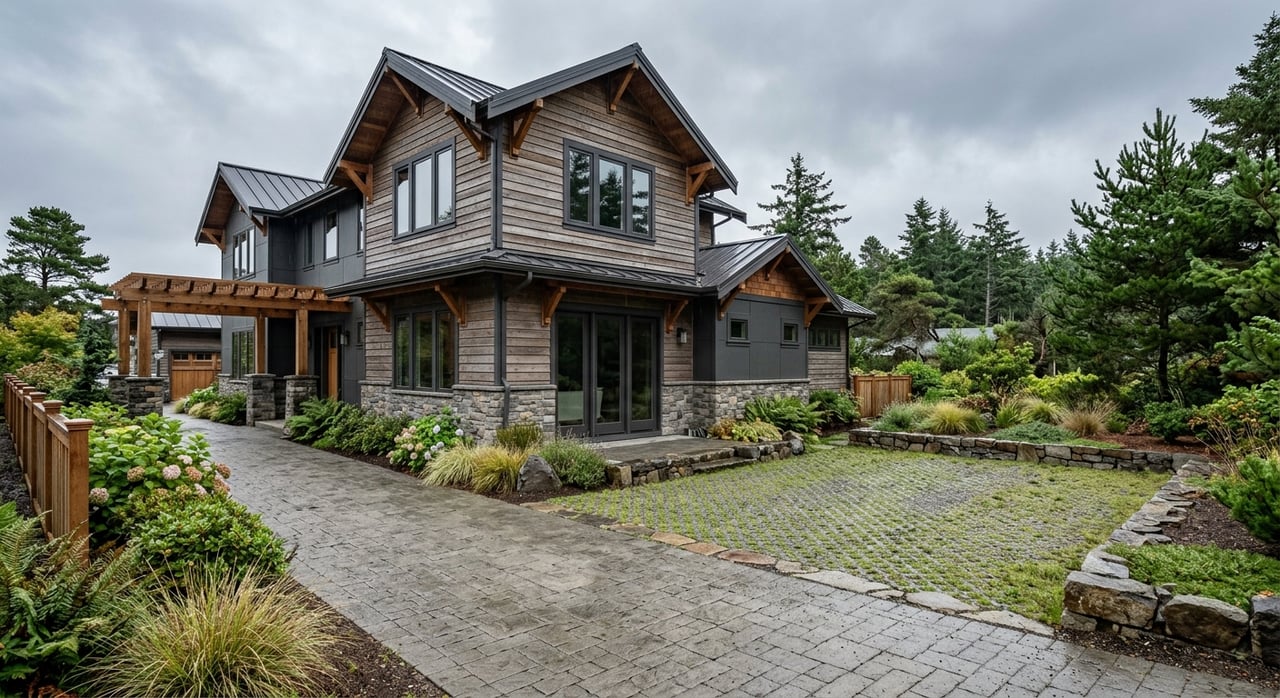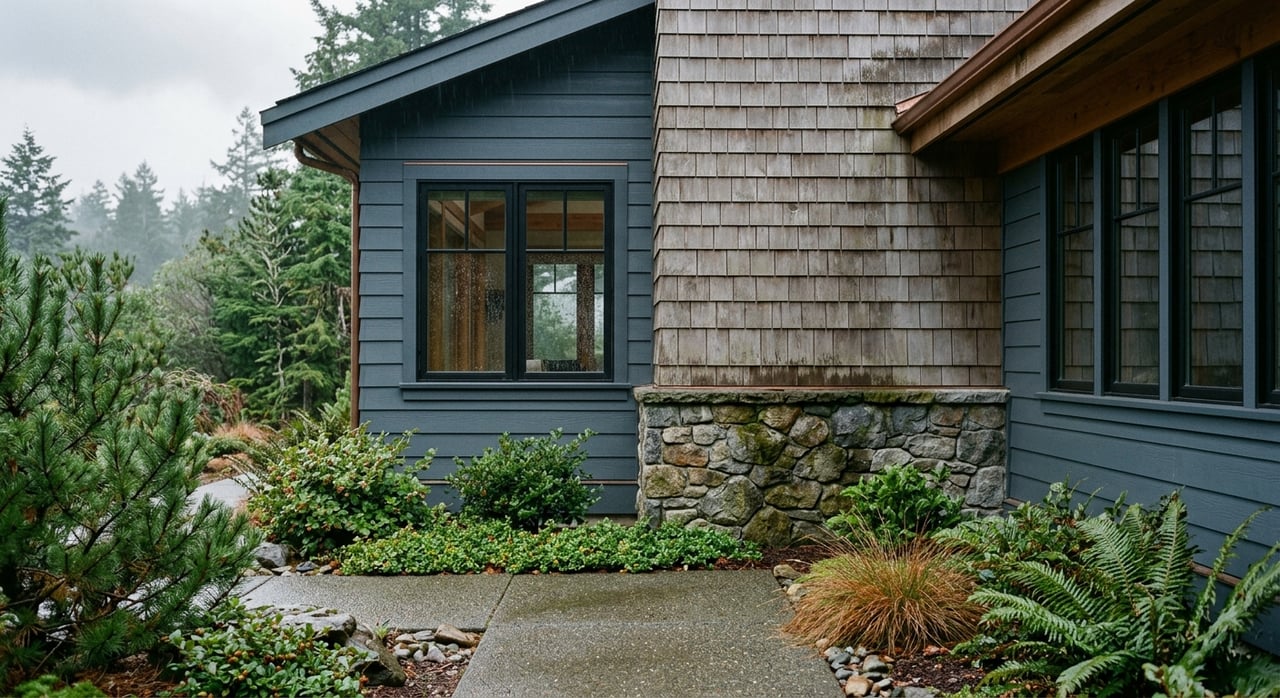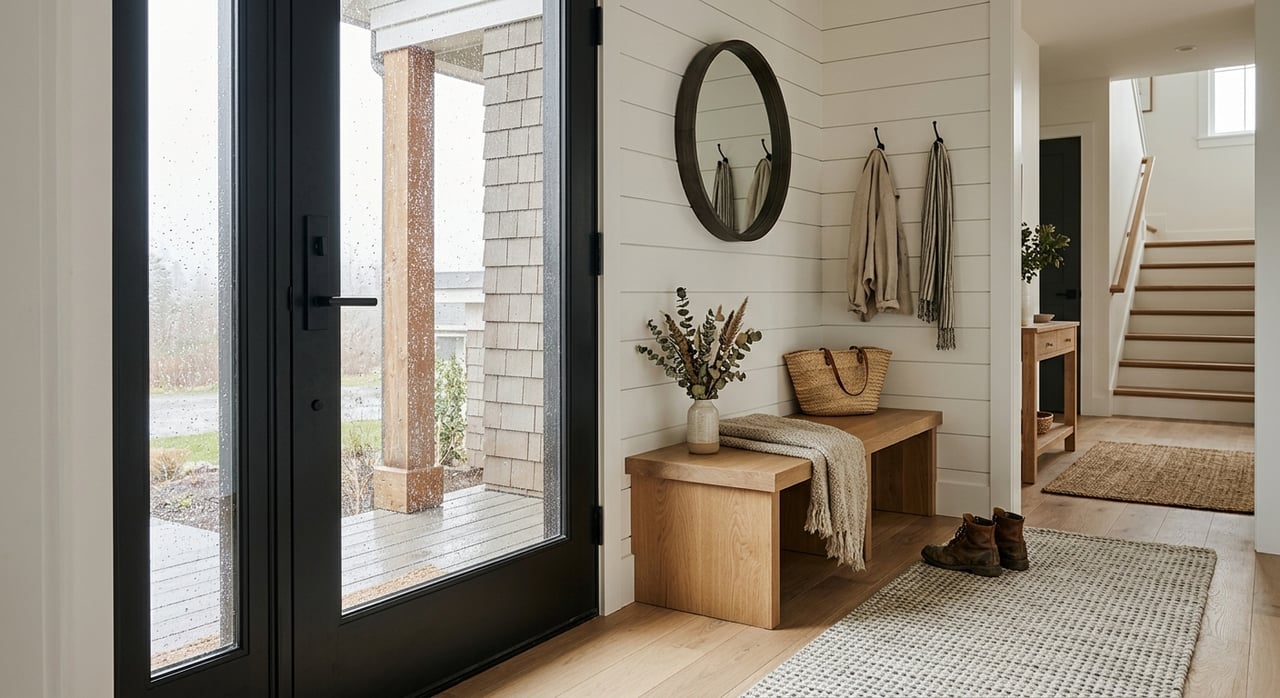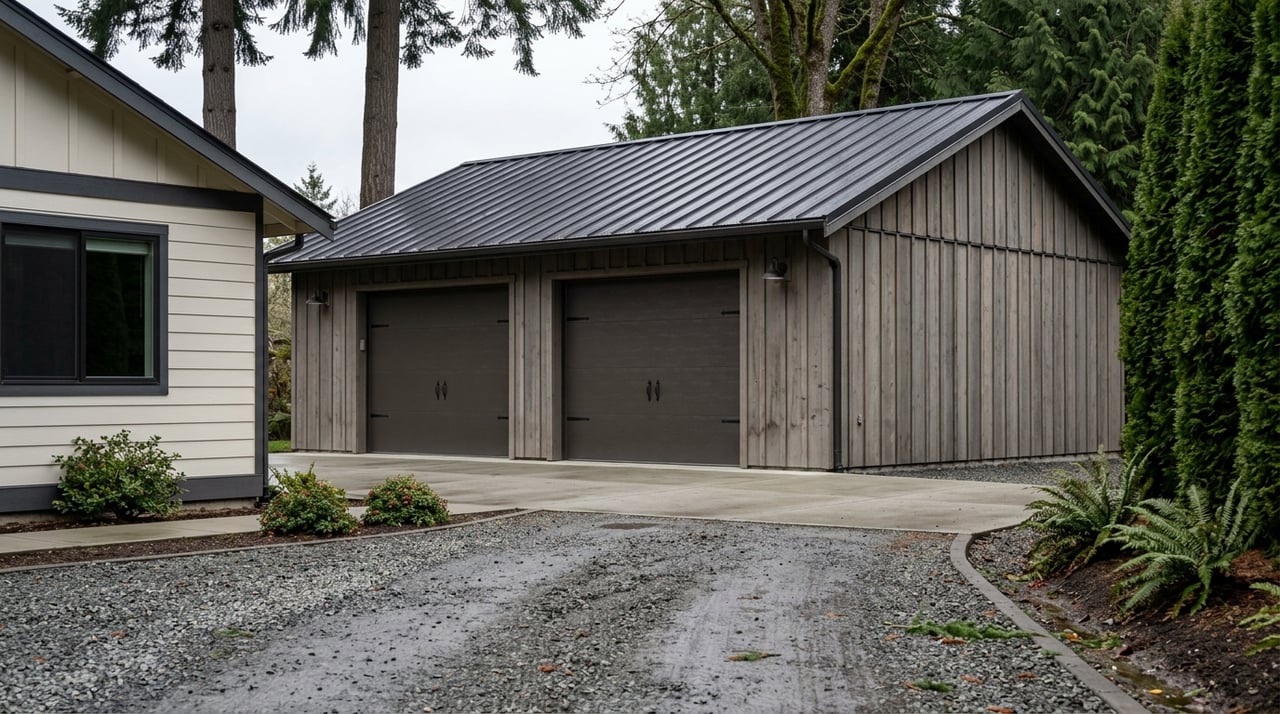
Selling a rural home in Beaver is not the same as selling a house in town. Buyers often look beyond the home itself and focus just as closely on access, water, septic, drainage, and the overall function of the property. If you want fewer surprises and a smoother path to market, it helps to prepare those details early. Let’s dive in.
Why Beaver homes need extra prep
Beaver is an unincorporated community in Tillamook County, and local planning records describe the area as rural in character with large lots being common. That matters because buyers are often evaluating the full property experience, not just the square footage of the house.
In Beaver, access can be a bigger part of the sale than many sellers expect. County planning files show that some residential properties are served by private access easements, and Tillamook County notes that local access roads may be under county jurisdiction without county liability to maintain them. In a place with about 90 inches of annual rainfall, driveway condition, drainage, and year-round usability can carry real weight.
Start with access and driveway condition
For many rural buyers, the first showing begins before they ever reach the front door. The road approach, driveway surface, gates, sightlines, turnarounds, and ditching all help shape how usable the property feels.
If your driveway or approach needs work where it connects to a public road, do not assume you can handle it at the last minute. Tillamook County says construction on an approach road to a public road cannot begin until a permit is issued, and the applicant must be the legal owner or an easement holder.
Your goal is to make access look functional in all seasons, not simply neat for photos. In Beaver, muddy spots, standing water, ruts, or tight turn areas can raise questions for buyers who are thinking about daily use, deliveries, parking, and wet-weather travel.
Access items to review before listing
- Check the driveway surface for potholes, rutting, and soft spots
- Clear overgrowth that affects visibility or narrows access
- Review gates, fencing near the drive, and turnaround areas
- Clean out ditching where drainage is blocked
- Confirm whether access is by public road, private road, or easement
- Gather any recorded easement documents you have
Get well testing on your radar early
If your Beaver property is served by a domestic well, Oregon law requires testing when the property is sold or exchanged. The seller must test for arsenic, nitrate, and total coliform bacteria, use an accredited laboratory, and submit the results with the RET form. Those test results are valid for one year.
This is one of the most important rural pre-listing steps because buyers will often ask about water service early in the process. Getting the testing underway before your home hits the market can help reduce delays once you are under contract.
Some properties may have unusual water setups, including certain spring wells, irrigation-only wells, or wells on undeveloped land. Oregon notes that some of those situations may be exempt from the Domestic Well Testing Act, so it is smart to confirm your exact requirement before listing if your property does not have a standard domestic well setup.
Well records to gather
- Recent well test results, if available
- The well report or well log
- The well ID
- Tax lot details used for the RET form
Oregon Water Resources Department says well reports have been kept since 1955 and record the well’s construction and performance at the time they were filed. Having that information ready can make buyer questions much easier to answer.
Don’t overlook septic maintenance
Septic systems are another major part of preparing a rural home for sale. Oregon DEQ recommends a professional septic evaluation when buying or selling a home, and Tillamook County says septic tanks should generally be pumped about every four years.
Even if your system is working fine, pre-listing maintenance can be a smart move. It gives you a clearer picture of the system’s condition and can help you avoid scrambling for appointments during escrow.
Tillamook County also keeps current lists of licensed pumpers and installers. That can be helpful if you want to line up service before photos, showings, or inspections begin.
Septic questions to think through
- When was the tank last pumped?
- Do you have maintenance or service records?
- Have there been any known backups or malfunctions?
- Do you know where the tank and drainfield are located?
Septic placement can also affect future improvements. Tillamook County setback rules apply to wells, property lines, foundations, and underground utilities, so buyers may want to understand how the current system fits the site.
Organize records before buyers ask
A smooth rural sale often comes down to preparation. Oregon Real Estate Agency guidance says a seller’s agent listing file should include the completed Seller’s Property Disclosure Statement, proof of ownership or signing authority, and property information such as lot-size verification, zoning, and flood-zone information when relevant.
For Beaver properties, it also makes sense to pull together anything that helps explain how the land functions. That includes access paperwork, well records, septic information, and notes about outbuildings or site improvements.
When buyers are comparing rural homes, missing documents can create hesitation. Clear records help support confidence and can make your property feel more straightforward from the start.
Helpful documents to have ready
- Seller’s Property Disclosure Statement
- Proof of ownership or signing authority
- Lot size verification
- Zoning information, if relevant
- Flood-zone information, if relevant
- Recorded easements or legal access documents
- Well report, well ID, and test results
- Septic service or pumping records
Show the whole property story
With rural homes, marketing needs to do more than highlight interior finishes. The property’s value often depends on the full site, including acreage, access, utility systems, outbuildings, and how the land is set up for everyday use.
Fannie Mae guidance notes that site, room count, finished area, style, and condition are important comparable-sale characteristics. It also notes that in rural areas with limited nearby activity, older or more distant comparable sales may be appropriate if they are the best indicators of value.
For sellers, the practical takeaway is simple. Buyers and appraisers may be looking at the whole package, so your listing should help tell that story clearly.
Features worth documenting and photographing
- Barns, shops, sheds, and fenced areas
- Driveway approach and parking areas
- Turnarounds and equipment access
- Drainage features and general site condition
- The relationship between the home and the surrounding land
- Utility system information that helps explain daily function
Price with rural realities in mind
Pricing a Beaver property is rarely as simple as pulling the closest recent sale. In rural areas, the best comparable properties may be older, farther away, or different in ways that require careful judgment.
Fannie Mae says comparable sales should match the property’s physical and legal characteristics as closely as possible, including site, room count, finished area, style, and condition. It also says appraisal adjustments should reflect the market’s reaction, not a rule of thumb.
That is especially important in Beaver, where access, acreage, utility systems, and outbuildings can materially influence price. A home with easier year-round access, clearer system documentation, or more functional site improvements may not compete the same way as a similar house on a less workable parcel.
A practical pre-listing plan
If you are getting ready to sell, focus first on the items that most often affect buyer confidence and transaction timing. In Beaver, that usually means access, drainage, well testing, septic maintenance, and organized records.
A practical plan can look like this:
- Walk the driveway and access route after wet weather
- Gather easements, well records, and septic records
- Schedule well testing if required for your property
- Consider septic pumping or evaluation if maintenance is due
- Inventory and photograph outbuildings and site improvements
- Prepare disclosures and core property documents before listing
This kind of prep can help your home present better online, show more confidently in person, and move through contract with fewer avoidable questions.
If you are unsure where to start, local guidance matters. Rural properties often need a hands-on approach, and that is where local preparation, local vendor coordination, and realistic pricing strategy can make a real difference.
When you are ready to prepare your Beaver property for the market, Dylan Landolt can help you build a practical plan, coordinate the details, and present the full value of your home with the kind of local insight rural sellers need.
FAQs
What should you fix first before selling a rural home in Beaver, OR?
- Start with access, drainage, driveway condition, well testing, septic maintenance, and any missing property records because those issues often shape buyer confidence early.
Does a Beaver, OR home sale require domestic well testing?
- If the property is served by a domestic well, Oregon requires the seller to test for arsenic, nitrate, and total coliform bacteria, use an accredited lab, and submit results with the RET form.
Why do access easements matter when selling property in Beaver, OR?
- Tillamook County planning files show private access easements serving residential properties in Beaver, so buyers often want clear documentation showing how legal access works.
Should you pump a septic tank before listing a Beaver, OR property?
- Tillamook County says septic tanks should generally be pumped about every four years, and pre-listing service can help you address maintenance before buyers begin inspections.
How are rural homes in Beaver, OR priced?
- Rural pricing usually depends on the whole property, including site characteristics, access, acreage, utility systems, outbuildings, room count, style, and condition, not just the house itself.