If a house in Manzanita costs $949,000, why does the same city produce a forested lot near Neahkahnie Mountain for well under that and an oceanfront cottage on the seven-mile beach for well above it? That was the median list price recorded in July 2026, at $456 a square foot, down 5 percent from the same month a year earlier. It's a real number. It's also describing something that doesn't exist: a typical Manzanita house.
Manzanita is 0.82 square miles. You could walk the whole city in fifteen minutes and cross through four distinct real estate markets doing it. The median blends all four into a single figure, which makes it close to useless as a budgeting tool unless you know which quarter of town you're actually shopping in.
A Town You Can Walk in Fifteen Minutes, Split Four Ways
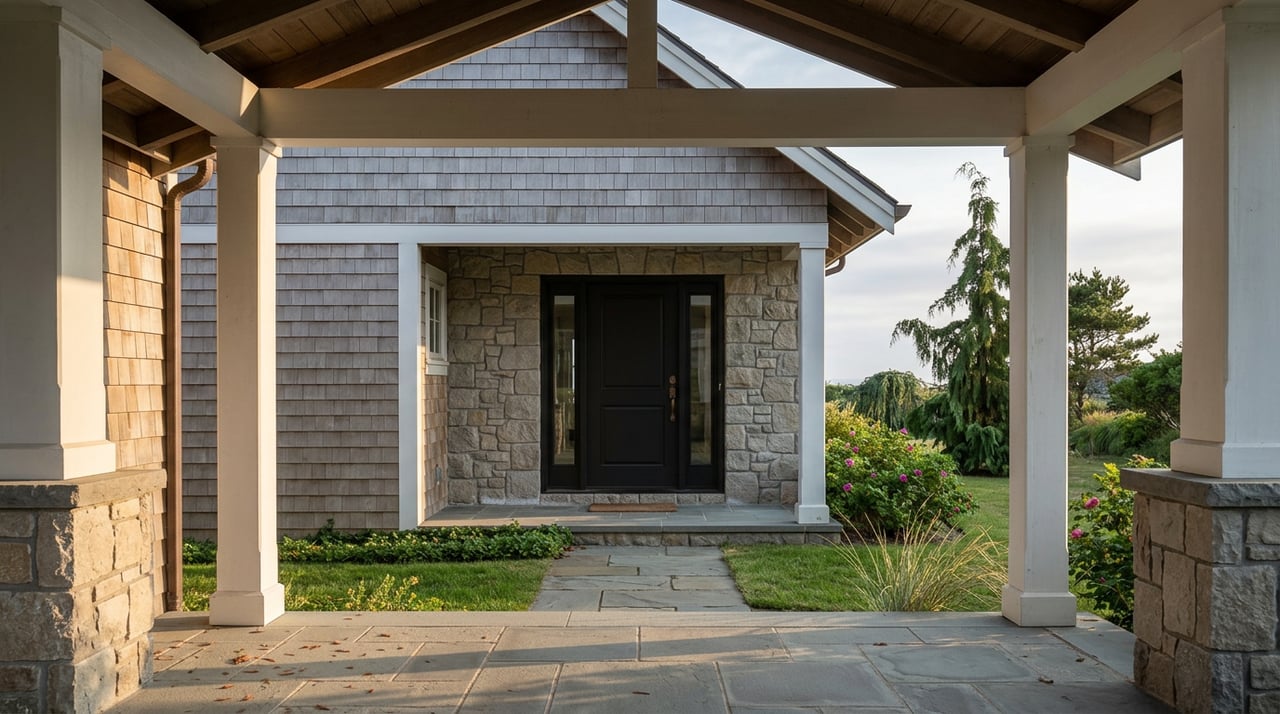
Start on the west side, closest to the beach. This stretch holds the highest-value inventory in the city: oceanfront single-family homes, beachfront cottages, and newer view homes built to face the water directly. If you're picturing the Manzanita listing photo with a wraparound deck and a sightline down the coast toward the mountain, it's coming from here.
Walk east a few blocks and you're in the village core, centered on Laneda Avenue. This is the walkable zone, close enough to the shops and restaurants along the main commercial street that you can leave the car and reach Ocean Road beach access on foot. The buyer here isn't optimizing for square footage or acreage. They're optimizing for proximity.
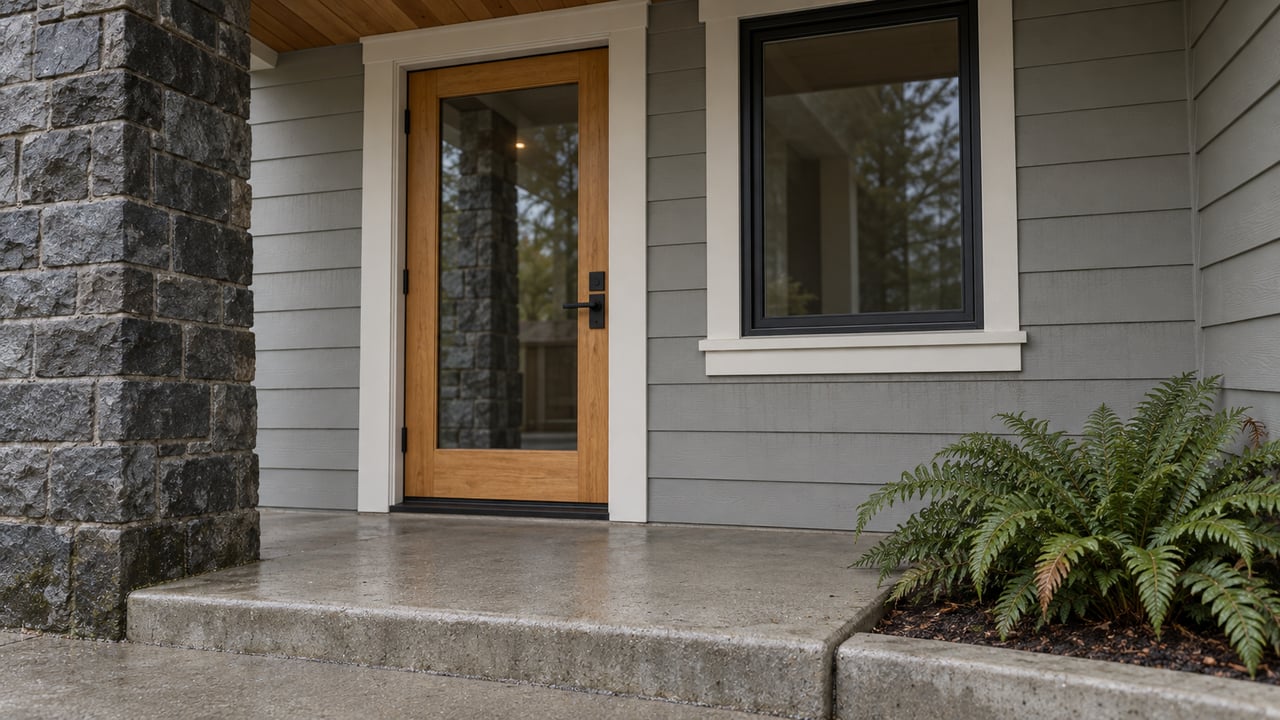
Head north toward Neahkahnie Mountain and you hit the edge of the Oswald West State Park boundary. This is forested residential, with lots that trade flat, walkable convenience for dramatic mountain and ocean views through the trees. It's a different product entirely from the village core three blocks south.
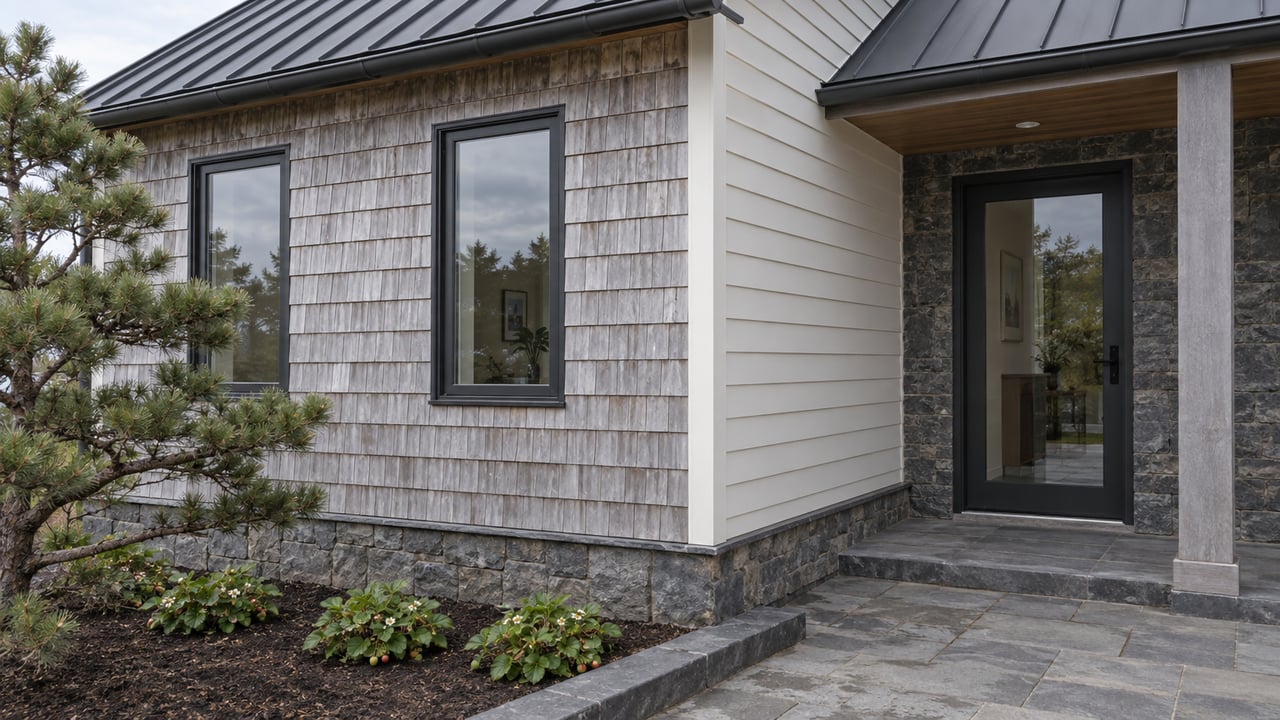
Cross US-101 to the east and pricing changes again. This side of town sits closer to Nehalem Bay and the Nehalem River, and it carries a more modest, straightforwardly residential character. Buyers here aren't paying for beach frontage or a five-minute walk to Laneda Avenue. They're paying for space and access to the bay side of the peninsula, at a different price point than anything west of the highway.
What the July Median Actually Averages
A single "Manzanita homes for sale" search returns listings from all four of these zones at once. That's how a $949,000 median with a $456-per-square-foot average gets produced. It isn't the price of a typical house. It's an average of at least four different products bought by at least four different kinds of buyers, none of whom are shopping against each other.
The market was still competitive as of this data. Homes were going pending in around 42 days on average, and selling for roughly 2 percent below list price. That's not a market where sellers are struggling to move inventory. It's a market where inventory is thin enough, and buyers motivated enough, that offers keep coming in close to asking.
So how does a competitive market produce a median that dropped 5 percent year over year? The simplest explanation isn't that Manzanita got cheaper. It's that the mix of what sold changed. If more inland, east-side listings closed in July 2026 relative to oceanfront ones, the blended median moves down even if every individual zone held its value or gained. A median tracks what happened to sell in a given month, not what any specific type of property is worth.
Why the Village Core and the Mountain Don't Bid Against Each Other
This is the part that a generic market report skips past: these four zones don't compete for the same buyer, which means they don't pull each other's price toward a shared center the way homes in a uniform subdivision would.
A buyer looking at the village core wants to walk to dinner and to the beach without getting in a car. A forested lot near Neahkahnie Mountain isn't a substitute for that buyer, no matter how many square feet it offers, because it doesn't solve the same problem. A buyer drawn to the mountain side wants privacy, elevation, and a view through cedar and fir, and a walkable cottage three blocks off Laneda doesn't answer that want either.
The east side, across the highway toward the Nehalem River, pulls from a third pool entirely: buyers who want space and a lower price per square foot and are fine trading beach walkability for it. And the oceanfront west side pulls from buyers for whom none of the other three zones are even under consideration, because they're specifically paying for direct beach frontage.
In a bigger city, these buyer pools would sort themselves into different zip codes with separately tracked medians. In a city this small, they all show up under one name and one number.
Reading the Four Zones Like a Buyer, Not a Search Filter
If you're comparing Manzanita to another coastal town using the median alone, here's what that single number is actually folding together:
- West side, oceanfront: Highest-value inventory in the city. Beachfront cottages and newer view homes built to face the water. This is the segment pulling the median upward.
- Village core, along Laneda Avenue: Walking distance to shops, restaurants, and Ocean Road beach access. Priced for proximity to the commercial street, not for lot size or view.
- North end, toward Neahkahnie Mountain: Forested residential near the Oswald West State Park boundary. Dramatic mountain and ocean views, but a different buyer than the village core three blocks away.
- East side, across US-101: Closer to Nehalem Bay and the Nehalem River. More modest pricing and a straightforward residential character, pulling the median downward.
None of these is the "real" Manzanita price. Each is a real price, for a real and different kind of property.
What This Means If You're Comparing Manzanita to Somewhere Else
If you're weighing Manzanita against another North Coast town, the median-to-median comparison only works if you specify which zone you're actually pricing. A $949,000 median compared against another town's median tells you almost nothing useful unless you also ask whether that other town's number is blended the same way, across the same kind of geographic split.
The more useful question, if you're actually planning a purchase, is which of the four zones matches what you're trying to solve. Walkability, mountain views, oceanfront, or space and river access are four different answers, and they come with four different price conversations, not one.
A Couple of Questions We Hear
Does Manzanita's median price tell me what I'll pay for a house? Not directly. It tells you what the blended mix of west-side, village-core, north-end, and east-side sales averaged out to in a given month. What you'll pay depends on which of those four zones you're actually shopping in.
If the median dropped 5 percent year over year, does that mean prices are falling? Not necessarily for any single zone. A market that's still moving homes in about 42 days at close to asking price, as this one was, isn't behaving like a market in decline. A drop in the blended median is more likely explained by which zones sold more heavily that month than by any one segment losing value.
If you're trying to figure out which corner of Manzanita actually fits what you're after, that's a conversation worth having before you start comparing listings against a number that was never describing any one of them. Homes By Dylan is glad to walk through it. Schedule a free consultation and we'll talk through which zone actually matches what you're trying to buy.