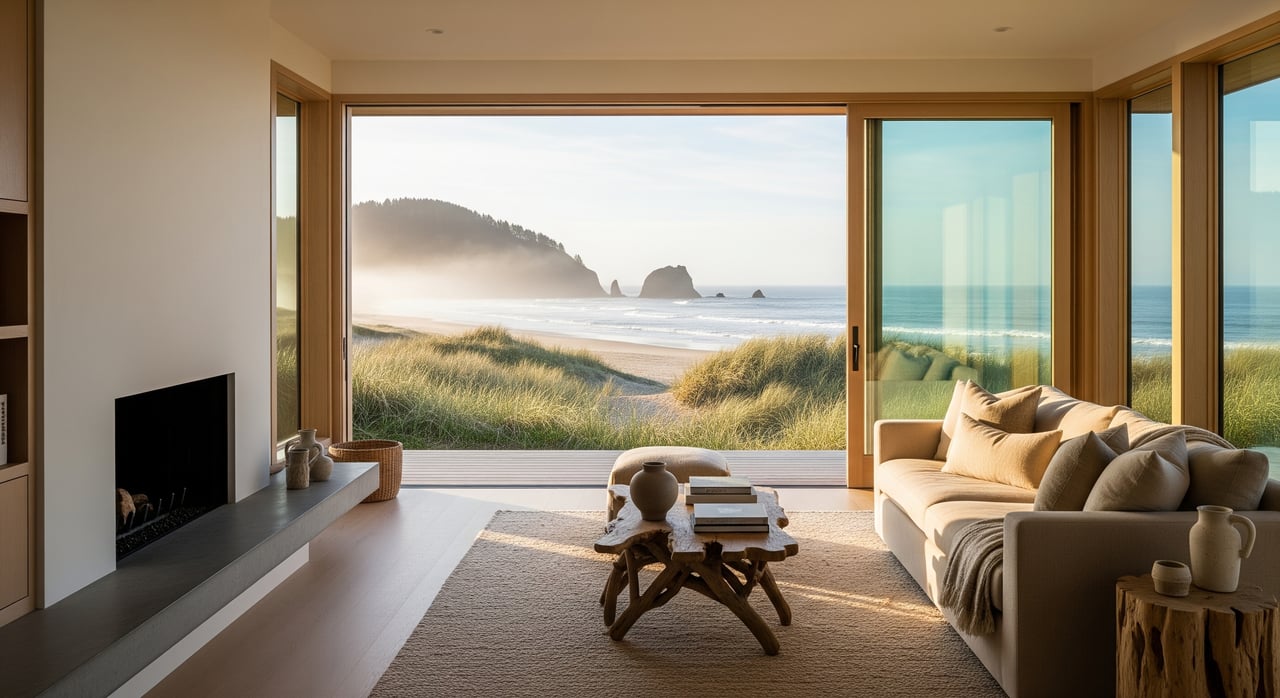
Are Oregon real estate headlines making your next move in Rockaway Beach feel uncertain? You are not alone. Statewide shifts in interest rates, migration, and short-term rental policies are shaping what you can buy, how you can use it, and what it costs to own near the ocean. In this guide, you will learn what these trends mean on the ground in Rockaway Beach and how to make smart decisions whether you are buying or selling. Let’s dive in.
Oregon trends, local impact
Interest rates and affordability
Higher mortgage rates since 2021 have reduced purchasing power for many buyers across Oregon. In Rockaway Beach, that shows up as tighter budgets, more careful underwriting, and a closer look at monthly costs. When rates dip, you may see a burst of activity as buyers try to lock in financing. When they rise, buyers push back on price or wait.
Migration and remote work
Oregon continues to see movement from larger, high-cost metros toward smaller lifestyle markets, including the coast. Many buyers looking in Rockaway Beach are retirees, soon-to-retire, or second-home shoppers. Remote and hybrid work widen the pool of shoppers who want ocean access, walkable downtowns, and access to nature.
Inventory and construction
Oregon’s small markets often face limited inventory, and the coast has extra constraints. In Rockaway Beach, new building is slower due to land limits, coastal rules, and higher construction costs. That can mean fewer choices and faster action on well-located homes.
Short-term rentals and policy changes
Short-term rentals remain a key driver of demand in coastal towns. Local rules, licensing, and taxes matter. In Rockaway Beach and Tillamook County, compliance status and revenue history can influence value, buyer interest, and loan and insurance options.
Coastal risk, insurance, and permitting
Coastal hazards such as flood, erosion, and storm surge are part of due diligence on the Oregon Coast. Insurance availability and cost can vary by location and property type. Lenders may require specific coverages, and local permitting can affect improvements and timelines.
Tourism and seasonality
Coastal economies are highly seasonal. Summer brings more visitors, showings, and bookings, which can influence listing timing and pricing. Off-season activity still happens, but patterns and urgency differ.
Rockaway Beach market patterns
Buyer mix and motivations
Expect a blend of year-round residents, second-home owners, and STR-minded investors. Many buyers are lifestyle-focused and value beach access, low-key community vibe, and outdoor amenities. If you are relocating full time, proximity to services and reliable internet are top priorities.
Inventory dynamics
Small markets move in bursts. A standout cottage near the beach or a well-kept home with views can draw quick attention. Limited options can mean fewer direct comps, so reading the market well is essential when setting price or writing offers.
STR reality check
Rockaway Beach includes both permitted and unpermitted STRs. Licenses, occupancy limits, parking rules, and transient lodging taxes affect net returns. If STR income is part of your plan, treat compliance and cost assumptions as a deal-making step, not an afterthought.
Connectivity and amenities
Remote workers should verify broadband at the address, not just by neighborhood. Cell coverage can vary. Access to grocery, healthcare, and year-round services shapes long-term livability for permanent moves.
Hazard exposure
Homes closer to the shoreline can face higher flood or wind risks, which may impact insurance and maintenance. Inspections that focus on roofs, siding, windows, and foundations help you understand the true cost of ownership.
Access from Portland
For many buyers, the 1.5 to 2-hour drive from the Portland metro makes Rockaway Beach attractive for hybrid work or weekend use. That convenience fuels demand from out-of-area buyers who want a coastal base without a long trek.
Buyer checklist and strategy
- Confirm property use permissions. Verify whether short-term rentals are permitted and licensed for the specific property. Ask for documentation of any past STR activity and tax remittances.
- Check hazard and insurance details. Review flood maps and any local erosion advisories, and get quotes for homeowners and flood insurance before you write an offer. Ask your lender about required coverages.
- Test connectivity and utilities. Run an internet speed test at the property. Confirm cell signal and whether the home is on septic or sewer. For remote work, consider a short stay to test daily routines.
- Budget for coastal maintenance. Salt air, wind, and storms add wear. Request recent inspection reports and look closely at roof, windows, siding, drainage, and foundation.
- Use seasonal comps. Summer and winter sales can differ. Look at comparable listings and sales from the same season when possible, and plan showing trips in spring or summer if you want maximum inventory.
- Clarify financing type. Primary residence, second home, or investment status affects loan products, down payment, and insurance needs. If buying a primary residence, explore state or local assistance programs that may apply.
Seller checklist and strategy
- Time your listing. Spring and summer typically see more showings and stronger buyer pools. Well-marketed properties can command attention year-round, but peak season boosts visibility.
- Disclose STR facts. If your home has STR history, share license status, booking history, and any tax records. Buyers valuing income will see this as proof, not just a promise.
- Showcase remote-work readiness. Highlight high-speed internet, a dedicated workspace, and strong cell coverage. A simple speed test screenshot or provider confirmation can build confidence.
- Address coastal risks early. Provide recent inspection reports and any insurance details you can share. If you have made mitigation improvements, list them clearly.
- Market all-season use. Use photos and descriptions that show summer appeal and year-round comfort. Highlight heating, insulation, storage, and storm-readiness.
Offers and negotiation tips
For buyers
- Keep protective contingencies for inspections and insurance. In a low-inventory market, be clear and prompt on timelines to keep your offer competitive.
- Align financing details with property use. Second-home and investment loans differ. Share lender preapproval and ask for any special underwriting requirements up front.
For sellers
- Weigh closing flexibility. If your property has summer bookings, a closing timeline that respects rental schedules can raise net proceeds.
- Validate income claims. If you market rental potential, be ready to show booking statements or tax schedules to support the price.
Who to have on your team
- A local real estate agent with STR and second-home experience in Rockaway Beach.
- A coastal home inspector familiar with flood, erosion, and salt-air impacts.
- An insurance broker experienced with coastal homeowners and flood coverage.
- A local land-use or permit consultant for projects and STR compliance.
- A lender who understands second-home and investment financing in coastal Oregon.
Planning your next steps
Rockaway Beach rewards careful planning. Start by defining your property use, verifying local rules for that use, and pressure-testing your budget with insurance and maintenance costs. Confirm internet options and services if you plan to live or work here full time. If you are selling, time your listing for peak visibility and be proactive with documentation.
If you want local, hands-on guidance tailored to Rockaway Beach and the wider Tillamook Coast, connect with Dylan Landolt for a friendly, practical plan to move forward.
FAQs
How do Oregon mortgage rates affect Rockaway Beach buyers?
- Higher rates reduce purchasing power and can slow demand, while rate dips often create brief windows of stronger activity and competition.
What should I verify before buying a short-term rental in Rockaway Beach?
- Confirm licensing and occupancy rules, transient lodging taxes, and obtain insurance quotes; ask for prior booking history to gauge realistic returns.
Why is insurance different for coastal homes near Rockaway Beach?
- Properties closer to the ocean may face higher flood, wind, and erosion risk, which affects coverage availability, required endorsements, and premiums.
When is the best time to list a home in Rockaway Beach?
- Spring and summer typically attract more showings due to tourism seasonality, though motivated buyers shop year-round when homes are well marketed.
What internet and cell checks should remote workers do?
- Test internet speed at the address, confirm provider options, and check cell signal inside the home; consider a short stay to ensure reliable day-to-day use.