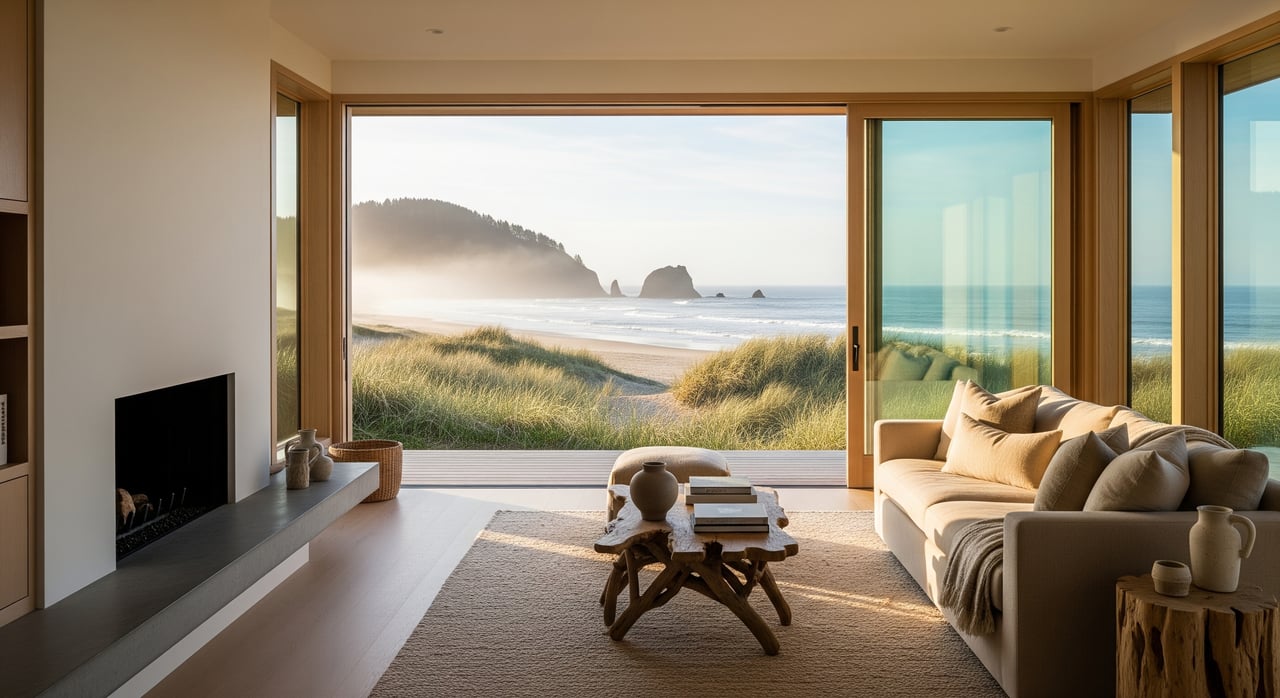
Thinking about buying in Pacific City? You are not alone. This small coastal town draws year‑round attention from beach lovers, anglers, and second‑home buyers. The market moves with the seasons, and the right approach can help you find the home you want at the price and pace that fits your plans. In this guide, you will learn how timing, location, and local rules shape your options, plus practical steps to make a confident offer when the moment is right. Let’s dive in.
Seasonality and timing
Pacific City’s housing market runs on a seasonal rhythm. Late spring and summer bring more listings and more buyers. Fall and winter are quieter. Knowing how the cycle works can improve your strategy.
- Spring–Summer: More owners list, and buyer interest rises. Turnkey and beach‑adjacent homes can draw strong attention. Competition often focuses on well‑located or STR‑ready properties.
- Fall–Winter: Fewer listings hit the market, but the buyer pool is smaller too. You often gain negotiating room on price, concessions, and timelines, though selection can feel limited.
What this means for you:
- If you plan to relocate full‑time, the off‑season can offer more time for inspections and negotiation. You will see fewer choices, so stay flexible on must‑haves.
- If you want a second home or STR investment, touring in summer helps you gauge beach traffic, rental demand, and noise patterns. You will see more listings and may need to act quickly on in‑demand homes.
Pro tip: Visit at least once in peak season and once in the off‑season. You will experience neighborhood traffic, weather, and nearby amenities in very different ways.
Inventory and leverage
In any season, watch a few key metrics to understand leverage:
- Months of supply: Lower supply often favors sellers. Higher supply can help buyers negotiate.
- Days on market: Shorter times can hint at stronger demand in certain micro‑areas, especially near the beach. Longer times can open doors for concessions.
- Price movements and reductions: Off‑season reductions can create value, but be ready to move if a rare, well‑located home appears.
Because the market shifts month to month, ask your broker for current MLS snapshots of active listings, new listings, days on market, and list‑to‑sale price ratios. Use those trends to set your offer pace and strategy.
Beach vs. inland value
Pacific City’s micro‑neighborhoods matter. Beach‑adjacent areas near Cape Kiwanda behave differently than inland streets and river‑corridor homes. Clarify your priorities early.
Beach‑adjacent homes
These properties often command a premium for views and access. Expect compact lots, limited parking, and more seasonal noise and traffic. They can see strong interest from second‑home buyers and investors because proximity to the beach is scarce.
Tradeoffs to weigh:
- Higher purchase prices and potentially higher insurance costs
- Congestion during peak months
- Coastal hazard and erosion considerations near dunes and shorelines
- Limited expansion space due to lot size and coastal regulations
Best fit: You want easy beach access and may seek rental income. You are comfortable with a lively summer season and a premium for location.
Inland and river‑corridor homes
Across Highway 101 and along the Nestucca River corridor, you will find larger lots, more vegetation, and quieter year‑round settings. Many buyers value the privacy and lower price per square foot.
Tradeoffs to weigh:
- Longer walk or quick drive to the beach
- Possible septic and well systems instead of municipal utilities, depending on the parcel
- Potential proximity to wetlands or areas with development limits
Best fit: You want space and livability, with a focus on daily life over peak tourism proximity.
View vs. access
Ocean views can command a strong premium, even without direct access. Direct dune or beach access is rare and valuable. Clarify which matters most, because that choice will drive your search area and budget.
Short‑term rental basics
Pacific City is unincorporated, so short‑term rental rules and permitting are handled by Tillamook County. If income is part of your plan, verify the current permit requirements, permit availability, and any nuisance or operational rules before you make an offer.
What to confirm early:
- Permit requirements and application steps for the specific property
- Any caps or spacing rules that could limit approvals
- Local and state lodging tax obligations and how they are collected
- Parking, occupancy, and noise rules that affect guest stays
Work with a local property manager and the county planning department to understand enforcement practices and realistic occupancy patterns by season.
Insurance and coastal hazards
Coastal homes can face higher insurance premiums, and lenders may require flood insurance if the property sits in a FEMA flood zone. Beach‑adjacent parcels near dunes or low‑lying areas deserve careful review of flood, storm surge, erosion, and tsunami risk maps.
Best practices:
- Ask a local insurance agent for quotes early in your search.
- Review any elevation certificates, prior flood claims, and wind mitigation features.
- Build insurance costs and deductibles into your total monthly budget.
Utilities, site systems, and access
Infrastructure varies across Pacific City. Inland and some coastal parcels may rely on well and septic. These systems require attention and can influence your timeline and costs.
Checklist:
- Septic: Check age, permits, maintenance records, and inspection results. Ask the county health department for available records.
- Water: Verify well flow rates and water quality where applicable. Confirm municipal water availability if listed.
- Power and internet: Confirm providers, typical speeds, and any history of seasonal outages if remote work matters.
- Access in winter: Ask about low‑lying roads, storm closures, and typical winter accessibility.
Taxes, permits, and development limits
Property taxes and assessed values are available through the county assessor. For remodels, additions, or new construction, coastal zone regulations can affect rebuildability and setbacks near dunes and shorelines. These rules can shape both your plans and long‑term resale.
Before you write an offer that assumes renovations, confirm:
- Zoning and allowable uses
- Setbacks, height limits, and coastal overlay rules
- Any recorded easements or access agreements
Buyer prep checklist
Use this quick list to get offer‑ready:
- Define your season: Decide whether to target off‑season leverage or peak‑season selection.
- Get pre‑approved: Secure financing and know your comfort range for monthly costs, including insurance and taxes.
- Clarify priorities: Rank beach access, view, lot size, parking, STR potential, and privacy.
- Line up inspectors: Identify septic, well, and general inspectors in advance.
- Price watch: Ask your broker for current MLS data on inventory, days on market, and list‑to‑sale price trends.
- Insurance quotes: Get preliminary quotes, especially for beach‑adjacent homes.
- STR plan: If applicable, discuss permit feasibility and seasonal occupancy expectations with a local property manager.
Offer strategy by season
Your offer terms should shift with the calendar.
- Off‑season: You may secure concessions on price, closing timelines, inspection items, and sometimes furnishings on second homes. Use days on market and recent reductions to time your moves.
- Peak season: Be ready to act fast on standout listings. Have your pre‑approval, proof of funds, and deposit plan ready. Strengthen non‑price terms where you can, such as cleaner timelines and focused inspections, while protecting your key contingencies.
See homes in both seasons
A quick summer tour shows you visitor patterns and STR potential near Cape Kiwanda. An off‑season visit reveals storm exposure, winter access, drainage, and overall quiet. If you cannot visit twice, ask for neighborhood video tours and speak with neighbors about typical conditions.
For relocating buyers
Focus on year‑round livability. Check commute routes, grocery and service access, and internet reliability. If schools matter to you, contact the local district for enrollment timelines and transportation options. Keep your shortlist flexible so you can move when a well‑matched property appears, even if inventory is lean.
For second‑home and STR buyers
Fine‑tune your criteria around guest experience and operations. Parking rules, trash service, noise expectations, and proximity to the beach will all affect reviews and repeat bookings. Confirm permit eligibility early and run conservative income scenarios. Plan for maintenance in a salt‑air environment and set aside a reserve for seasonal slowdowns.
How a local broker helps
A local agent can help you compare micro‑areas, pull fresh MLS metrics, coordinate septic and well inspections, and talk through county permitting. You also gain on‑the‑ground insight into beach traffic patterns, winter access, and realistic timelines with local vendors. That knowledge helps you avoid surprises and write stronger, smarter offers.
Ready to explore Pacific City with a plan that fits your goals? Connect with a neighbor who knows the coast and can guide every step, from first tour to final close. Reach out to Dylan Landolt to schedule a conversation.
FAQs
When is the best time to buy in Pacific City?
- Off‑season often offers more negotiating room but fewer choices, while summer provides wider selection and a clear view of beach activity and rental demand.
How do beach‑adjacent homes compare to inland homes?
- Beach‑adjacent homes trade at a premium for access and views, while inland homes often offer larger lots, quieter settings, and better value for full‑time living.
What should I know about short‑term rental rules?
- Pacific City follows Tillamook County rules, so confirm permit requirements, availability, and lodging tax obligations with the county and a local property manager before you buy.
What extra costs should I plan for near the coast?
- Budget for potentially higher homeowners and flood insurance, salt‑air maintenance, septic and well upkeep where applicable, and management fees if operating an STR.
How do I evaluate hazards like flooding or erosion?
- Review FEMA flood designations and local coastal hazard maps, consult a local insurance agent early, and factor mitigation and deductibles into your overall budget.
What inspections are critical for Pacific City homes?
- In addition to a general home inspection, consider septic and well evaluations where applicable, plus checks on drainage, access roads, and wind or moisture intrusion.