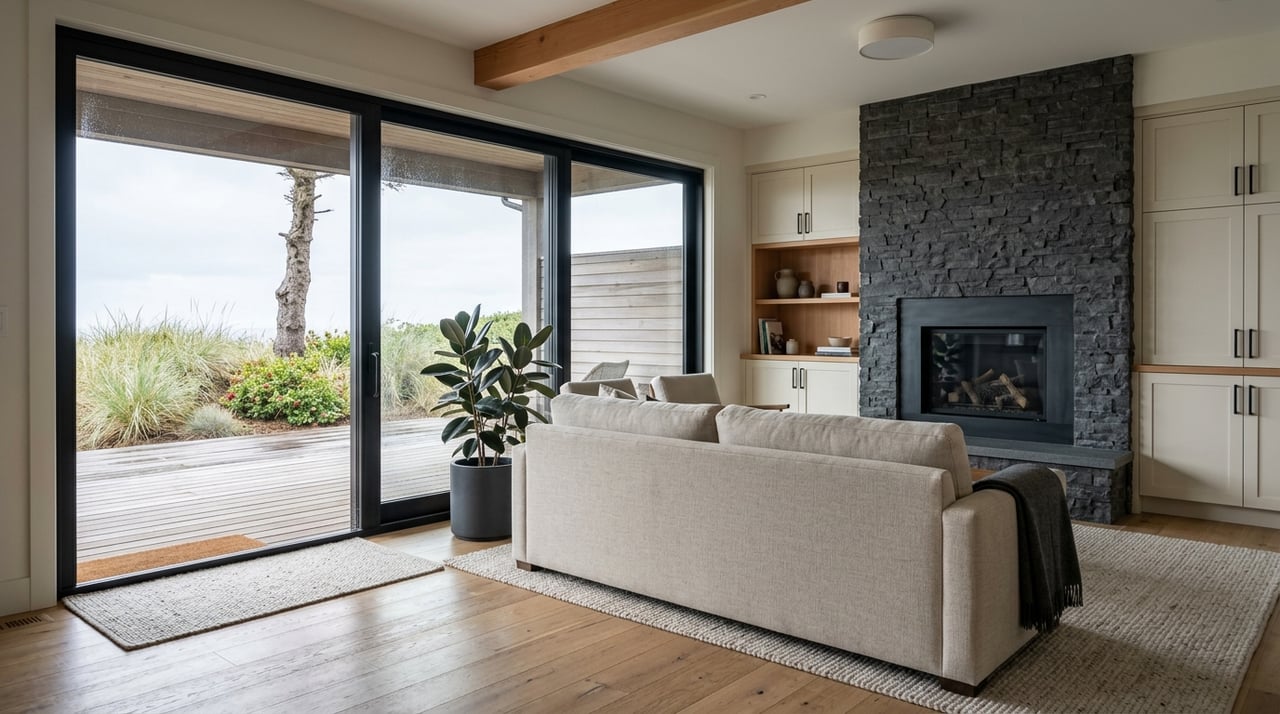
Dreaming about a place in Pacific City where you can slip away for long weekends, enjoy the coast, and maybe offset some costs with occasional rental income? You are not alone, but this market comes with more moving parts than many buyers expect. If you are considering a vacation home or second home here, it helps to understand how financing, zoning, short-term rental rules, and property location all work together. Let’s dive in.
Why Pacific City feels different
Pacific City is not just another coastal market. It is an unincorporated community in Tillamook County, which means county planning, zoning, permitting, and licensing rules shape many of the decisions you will make as a buyer.
That matters because one home near Cape Kiwanda can come with a very different set of questions than a home near the Nestucca River or farther inland in the Woods area. In Pacific City, the exact location of the property often matters just as much as the home itself.
Micro-location changes the buying equation
Beach-adjacent homes near Cape Kiwanda usually attract buyers for their recreation appeal and coastal setting. At the same time, Tillamook County notes that Pacific City-Woods can see population spikes of about 10 times normal on busy days, which can affect parking, traffic, and overall congestion.
River-oriented properties often appeal to buyers who want access to views, kayaking, or fishing. These homes can also raise more questions about flood history, estuary-related constraints, and whether the property is served by sewer or relies on onsite systems.
Interior or Woods-area homes may feel a bit removed from beach traffic. Even so, they are still subject to county zoning, hazard overlays, and utility or service availability checks.
Start with the right second-home definition
Before you fall in love with a house, it helps to decide what you want it to be. Is it primarily a personal getaway with occasional rental potential, or is it mainly an income property that you will use from time to time?
That distinction is important because lenders and tax rules do not treat those two scenarios the same way. A property that looks like a second home in your mind may be viewed differently once financing and rental use are reviewed.
What lenders generally mean by a second home
For conventional financing, Fannie Mae says a second home must meet several basic standards:
- You occupy it for some portion of the year
- It is a one-unit dwelling
- It is suitable for year-round occupancy
- It remains under your exclusive control
- It is not a rental property or timeshare arrangement
- Rental income from the property cannot be used to qualify for the second-home loan
If the property is primarily owned for rental use and not occupied by you as a second home, it may be treated as an investment property instead. That can affect underwriting and pricing.
Why rental plans matter early
Many Pacific City buyers want personal use first and occasional rental income second. That can work, but only if the property still fits second-home lending rules and local licensing rules.
The practical question is simple: are you buying a second home with some rental potential, or an investment property with some personal use? Getting clear on that early can help you avoid financing surprises later.
Understand the tax basics before you buy
If you may rent the home at all, tax treatment matters. The IRS says that if a dwelling unit used as a home is rented for fewer than 15 days during the year, that activity is not treated as rental activity for reporting purposes.
If the home is rented for 15 days or more, rental income must be included, and expenses must be divided between rental and personal use. For many buyers, this is the point where a casual rental idea becomes a real planning discussion.
This does not mean a second home cannot produce some income. It means you should think through how often you plan to use it, how often you may rent it, and how that affects both financing and tax treatment.
Check zoning and hazard overlays first
In Pacific City, a pretty address is not enough. Tillamook County makes zoning maps available through its interactive mapping tools, and it specifically points buyers to the Coastal Atlas for geologic hazard and dune areas.
The county’s ordinance materials show that Pacific City and Woods include residential, commercial, park, airpark, flood hazard, beach and dune, and tsunami hazard overlay zones. That means the tax lot and overlay details can be just as important as square footage, views, or distance to the beach.
Why this step matters for buyers
A home can look move-in ready and still come with land-use limits or future permit hurdles. If you are thinking about improvements, repairs, additions, or rental use, zoning and overlays should be part of your due diligence from the start.
This is especially important for out-of-area buyers who may not be familiar with how county-level rules affect coastal property decisions. In Pacific City, property research is rarely a box-checking exercise.
Flood, tsunami, and site conditions deserve attention
Pacific City’s setting is part of its appeal, but it also creates real site-specific questions. County planning documents note that the Nestucca River has historically threatened the town with winter flooding.
DOGAMI’s tsunami evacuation analysis covers Pacific City, Nestucca Spit, Woods, and Tierra Del Mar in a Cascadia Subduction Zone scenario. The analysis found that evacuation is generally achievable at a moderate walking speed, while also identifying liquefaction as a significant challenge.
For you as a buyer, that means scenic value should be balanced with practical questions about buildability, insurability, and evacuation. Those are not side issues in this market.
Floodplain permitting can affect timelines
Tillamook County says pre-application meetings are required before a floodplain development permit submittal. The county also notes that many permit and application submittals must be made in person or by mail, with appointments and inspection scheduling playing a key role.
If you are buying from out of town, this can add time and coordination. It is one more reason local guidance can make the process smoother.
Sewer, septic, and utility service are location-specific
Water and wastewater service in Pacific City are not one-size-fits-all. The county community plan says most of the Pacific City/Woods community growth boundary is served by the Pacific City Joint Water-Sanitary Authority, which was formed to provide water and sewer service in the area.
If a property is not connected to public sewer, Tillamook County’s septic program becomes a major part of your review. The county administers onsite sanitation rules, requires soil-profile review, and publishes minimum septic setback distances from wells, waters, property lines, and structures.
Why this matters for second-home buyers
If you are buying for convenience and low-maintenance ownership, sewer access may shape your decision. If you are open to a wider range of properties, septic may be workable, but it should be understood clearly before closing.
This is particularly important for vacation-home buyers who may not be at the property full-time and want fewer surprises after move-in.
Short-term rental rules are not automatic
A common mistake is assuming a Pacific City vacation home can automatically become a short-term rental. In unincorporated Tillamook County, that is not the case.
The county’s ordinance requires an annual short-term rental license before an owner can advertise, offer, or operate a short-term rental. Operating without a valid license is a violation.
What buyers should verify
Tillamook County also limits one STR license per qualified licensee, sets operating standards, and states that licenses are personal, with transferability depending on the applicable section and timing of issuance. If a listing suggests rental history or license status, you should verify exactly what transfers and what does not.
The county’s current STR resources also show a dedicated Pacific City / Woods waitlist. That means eligibility can depend on the subarea, and buyers should not rely on assumptions or marketing language alone.
A home can still be an excellent second home even if it is not a strong short-term rental candidate. The key is making sure your purchase matches your actual goals.
Budget beyond the mortgage payment
In a market like Pacific City, the monthly payment is only part of the picture. Your real carrying costs may include:
- Property taxes
- Insurance
- Flood or coastal-hazard insurance where applicable
- Utilities
- Sewer or septic-related costs
- Maintenance tied to salt air and weather exposure
- Travel expenses if you live out of the area
- Professional management or vendor coordination if needed
If you plan to rent the home to guests, add local lodging taxes and operating requirements to that budget. Tillamook County says transient lodging includes vacation rental houses, apartments, and condominiums, and anyone collecting payment for transient lodging in unincorporated county must register, collect the tax, and file quarterly returns.
The county transient lodging tax rate for unincorporated properties is 10%, and Oregon’s state lodging tax is currently 1.5% of the occupancy charge. Those costs should be part of your planning before you make an offer, not after.
Why local support matters for remote buyers
Buying a second home from outside the area can sound simple when you are just browsing listings. In practice, county appointments, inspection logistics, permit questions, septic or sewer research, and STR verification can quickly become time-consuming.
Tillamook County says inspection routes are posted daily, arrival times cannot be guaranteed, and scheduling runs through county systems and appointments. Combined with required pre-application meetings for some floodplain work and submittal rules that may require in-person or mailed documents, this is a market where hands-on local help can save real time and stress.
That is especially true if you want practical support coordinating inspectors, local vendors, and county processes while you focus on the bigger decision of whether the property fits your goals.
The smartest way to shop Pacific City homes
If you are serious about buying in Pacific City, start with a simple checklist before getting attached to any one property:
- Confirm whether your intended use is truly second-home use or investment use
- Ask how the property may be financed based on that use
- Review zoning and hazard overlays for the exact tax lot
- Check floodplain, tsunami, dune, or geologic considerations
- Verify sewer or septic status
- Research whether a short-term rental license is possible in that subarea
- Understand county lodging tax obligations if you may rent the home
- Build a realistic ownership budget that includes maintenance and coastal exposure
Pacific City can be a great place to own a getaway home, but the best purchases here usually happen when excitement is paired with careful local due diligence.
If you are weighing locations, comparing second-home options, or trying to figure out whether a specific property fits your plans, Dylan Landolt can help you sort through the details with practical, local guidance.
FAQs
What counts as a second home in Pacific City?
- A second home generally needs to be occupied by you for part of the year, be suitable for year-round use, remain under your exclusive control, and not function primarily as a rental property under conventional lending guidelines.
Can you rent out a Pacific City second home part-time?
- Yes, part-time rental may be possible, but lender rules, IRS treatment, and Tillamook County short-term rental licensing rules can all affect how the property is classified and operated.
Do Pacific City short-term rentals require a license?
- Yes, Tillamook County requires an annual short-term rental license before a property in unincorporated county can be advertised, offered, or operated as a short-term rental.
Are all Pacific City homes eligible for short-term rental use?
- No, eligibility depends on county rules, the property’s subarea, waitlist status, and whether licensing requirements can be satisfied.
Is a beach-area home always better than a river-area home in Pacific City?
- No, the better fit depends on your goals, because beach-area homes may come with heavier tourism pressure and parking issues, while river-area homes may raise more floodplain, estuary, or utility questions.
What hazards should buyers research for Pacific City homes?
- Buyers should review floodplain, tsunami, dune, geologic, and liquefaction-related considerations, along with site-specific questions tied to the exact tax lot and overlay zones.
Do Pacific City homes always have public sewer service?
- No, many properties are within service areas tied to local water and sewer infrastructure, but some homes may rely on onsite septic systems and need separate review.
What extra costs should you expect with a Pacific City vacation home?
- Beyond the mortgage, you may need to budget for property taxes, insurance, flood or coastal-related coverage where applicable, utilities, sewer or septic costs, maintenance, travel, management support, and lodging taxes if you rent the home.